Introduction: The End of Generic Fitness Plans
For decades, the approach to fitness was largely one-size-fits-all. You followed a static plan, maybe from a book or a website, and hoped for the best. In 2025, that model is being radically transformed by artificial intelligence. AI fitness coaches represent a fundamental shift from generic programs to hyper-personalized, adaptive guidance that considers your body, your goals, your recovery, and your daily life.
This shift is powered by the convergence of sophisticated machine learning models and the vast amounts of data generated by our wearables and smartphones. The result is a "consumer shift to AI-personalized wellness," where algorithms act as tireless assistants, helping you make smarter decisions about your health every single day. This guide will explore how these smart algorithms work, their benefits and limitations, and how you can choose the right AI coach for your journey.
How Does an AI Fitness Coach Actually Work?
At its core, an AI fitness coach is a system trained on massive datasets of physiological, exercise, and nutritional information. Using machine learning, it finds patterns and correlations that would be impossible for a human to spot across millions of users.
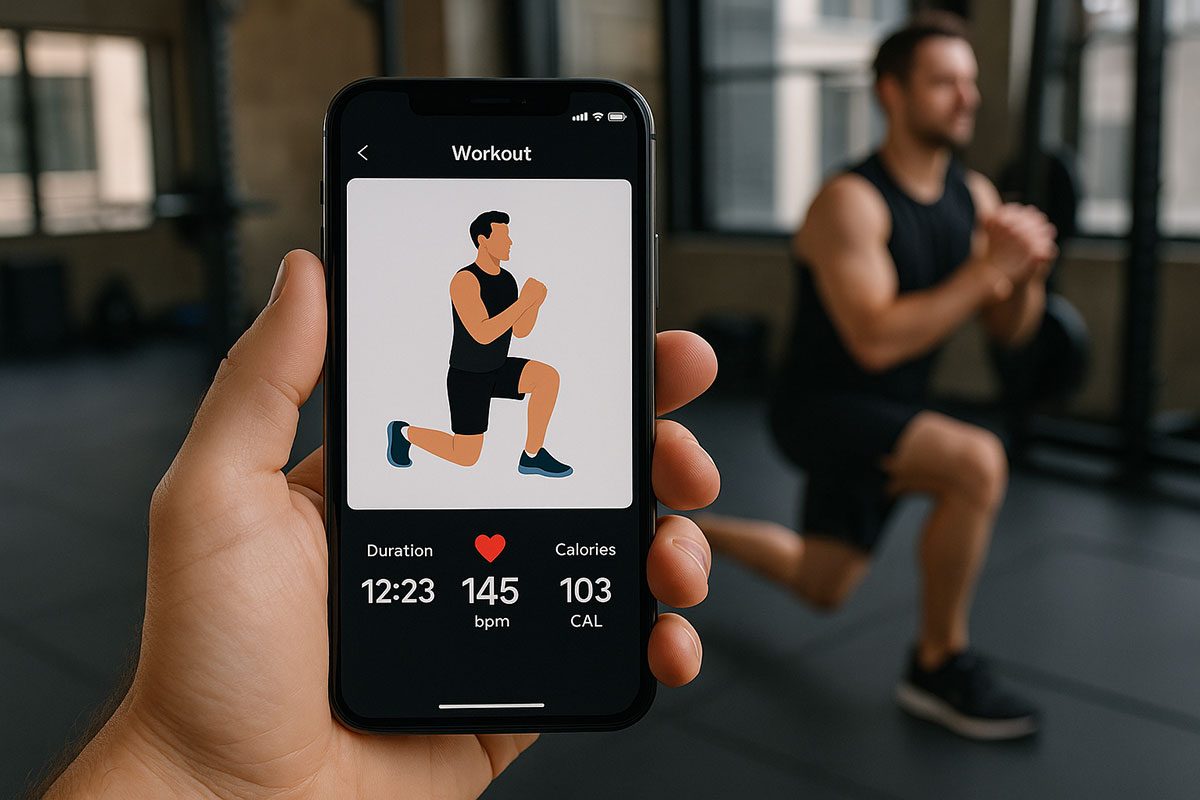
- Data Input: The AI gathers data from you through various sources: your workout history, biometrics from wearables (heart rate, sleep quality, heart rate variability), your logged nutrition, and even your subjective feedback (e.g., rating your energy levels or muscle soreness).
- Analysis and Personalization: The algorithm analyzes this data in real-time. It doesn't just see that you ran 5k; it understands how that run affected your sleep and next-day energy compared to your historical trends. It can predict when you might be on the verge of overtraining or identify which types of exercises yield the best results for your body type.
- Adaptive Output: Based on this analysis, the AI dynamically adjusts your plan. This could mean lowering the intensity of your next workout if your recovery scores are poor, suggesting more protein if it notices you're not meeting your targets, or introducing new exercises to break through a plateau.
The Real-World Benefits: More Than Just a Smart Timer
The advantages of using an AI coach extend far beyond convenience. They offer a deeply scientific and responsive approach to fitness.
1. Truly Personalized Workout Programming
Static plans can't account for your daily fluctuations. An AI coach can. If you had a poor night's sleep, it might automatically swap your high-intensity interval training (HIIT) session for a mobility-focused flow or a brisk walk. It learns which exercises you enjoy and are effective for you, building a plan that is both sustainable and optimized for results.
2. Data-Driven Nutrition and Hydration Guidance
Beyond calorie counting, advanced AI nutrition coaches can analyze your food logs to suggest specific micronutrient adjustments, recommend meal timings based on your activity schedule, and even offer recipe ideas that fit your dietary preferences and nutritional needs. Some can integrate with continuous glucose monitors to provide incredibly personalized insights into how your body responds to different foods.
3. Proactive Injury Prevention and Management
This is a game-changer. By analyzing your movement patterns, workout consistency, and recovery metrics, AI can identify patterns that often precede common injuries. It might notice muscle imbalances developing and prescribe prehab exercises to correct them. If you do have a minor injury, it can adjust your training regimen to work around it, promoting safe recovery instead of forcing you to stop entirely.
4. Unmatched Accountability and Motivation
An AI coach is available 24/7. It provides immediate feedback on your workouts, celebrates your milestones, and sends you nudges to stay on track. This constant, positive reinforcement can be highly effective for maintaining long-term consistency, which is the true key to fitness success.
AI vs. Human Trainer: An Objective Comparison
Is an algorithm a replacement for a human expert? The answer is nuanced. Each has its own strengths, and for many, a hybrid approach may be ideal.
| Aspect | AI Fitness Coach | Human Personal Trainer |
|---|---|---|
| Cost | Generally low monthly subscription (e.g., $10-$50/month). | Significantly higher (e.g., $50-$150+/session). |
| Availability | 24/7 in your pocket, for every workout. | Limited to scheduled sessions. |
| Personalization | Excellent at data-driven adjustments based on quantifiable metrics. | Excellent at intuitive adjustments, understanding psychology, and providing hands-on form correction. |
| Form Analysis | Emerging via phone camera, but can be limited and error-prone. | Superior, real-time feedback and tactile correction. |
| Motivation & Empathy | Algorithmic encouragement and reminders. | Genuine human connection, empathy, and accountability tailored to your emotional state. |
The Verdict: An AI coach wins on cost, availability, and data crunching. A human trainer is irreplaceable for expert form coaching, deep motivational support, and navigating complex psychological barriers. For the self-motivated individual looking for a smart, adaptive plan, an AI coach is a powerful and affordable solution.
Choosing Your AI Coach: A 5-Step Checklist for 2025
With dozens of apps on the market, making a choice can be overwhelming. Use this checklist to find your perfect match.
- Define Your Primary Goal: Are you training for a marathon, building muscle, losing weight, or improving general wellness? Different apps specialize in different domains. Choose one whose core philosophy aligns with your goal.
- Check Integration with Your Tech Ecosystem: The app's power is multiplied by the data it can access. Prioritize apps that seamlessly integrate with your preferred wearable (Apple Watch, Garmin, Whoop, Oura Ring) and any other health apps you use (MyFitnessPal, etc.).
- Assess the Personalization Engine: Look beyond marketing claims. Does the app simply shuffle exercises, or does it adjust intensity, volume, and rest based on your recovery data? Read reviews to see how users experience the adaptiveness.
- Evaluate the Nutritional Component: If nutrition is important to you, see how deep the app goes. Is it just a calorie logger, or does it offer macro tracking, food suggestions, and educational content? The best apps treat nutrition and exercise as interconnected.
- Consider Privacy and Data Security: You are handing over extremely sensitive health data. Read the app's privacy policy carefully. Understand what data they collect, how it is used, and whether it is anonymized and aggregated. Choose companies with a transparent and robust commitment to data security.
Looking Ahead: The Future of AI and Fitness
The technology is still evolving. The next frontier includes more advanced form analysis using your phone's camera in real-time, predictive health insights that go beyond fitness to warn of potential health issues, and even more seamless integration with our smart home environments to create a holistic wellness ecosystem.
The era of personalized health is here. By leveraging an AI fitness coach, you are not just following a plan; you are engaging in a continuous feedback loop with a system dedicated to optimizing your well-being.
Related Reading
- AI in Healthcare 2025: How Smart Diagnostics Are Transforming Patient Care
- AI Health Monitors: How Smart Devices Predict Illness Before It Happens
- AI-Powered Mental Wellness Apps in 2025: Can Algorithms Truly Support Your Mind?
- The Ultimate Guide to AI in Everyday Life: 10 Ways AI Is Changing Your Daily Routine
About the Author
Girish Soni is the founder of TrendFlash and an independent AI strategist covering artificial intelligence policy, industry shifts, and real-world adoption trends. He writes in-depth analysis on how AI is transforming work, education, and digital society. His focus is on helping readers move beyond hype and understand the practical, long-term implications of AI technologies.