Introduction: From Fitness Tracking to Predictive Health Guardians
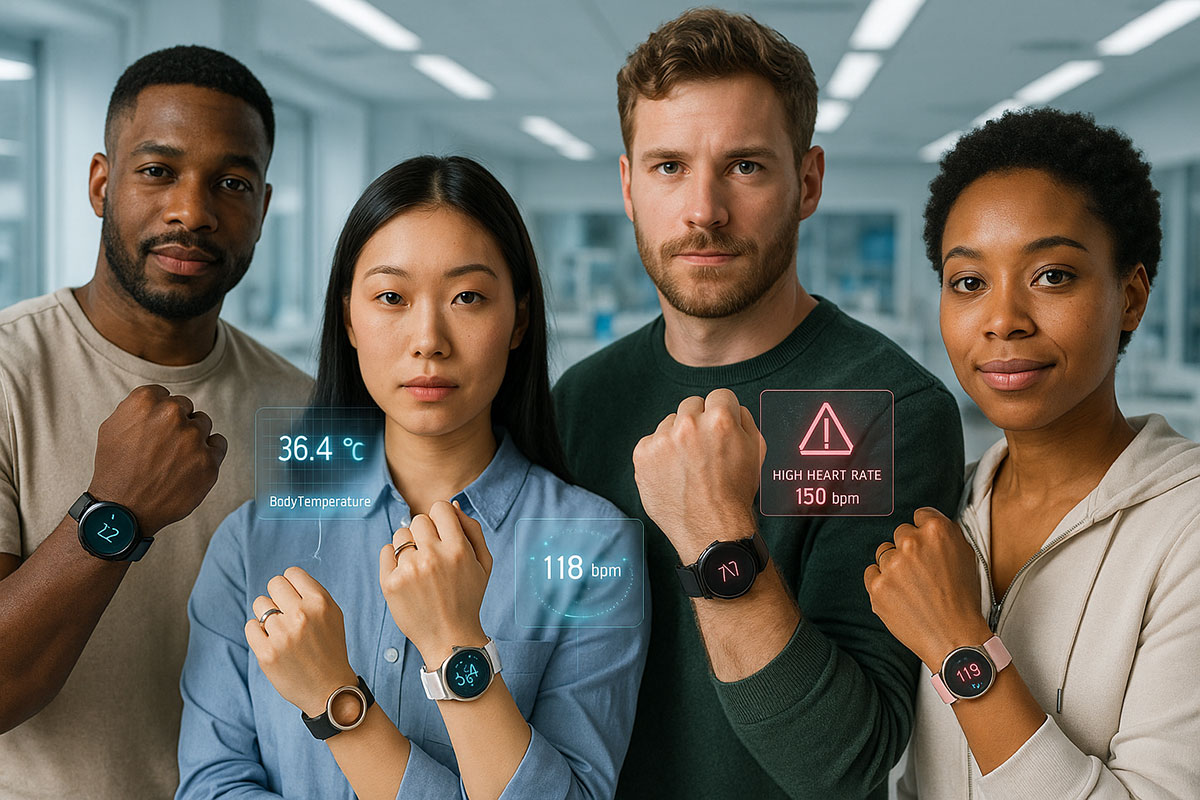
Just a few years ago, a smartwatch could count your steps and monitor your sleep. Today, in 2025, the narrative has radically shifted. We are witnessing the dawn of a new era in personal health, where AI-powered wearables are transitioning from passive trackers to proactive health guardians. These devices are no longer just telling you what you did; they are using sophisticated artificial intelligence to predict what might happen to your body. By analyzing vast, continuous streams of biometric data, these AI in Health & Education tools can identify subtle, early-warning patterns that are invisible to the human eye, potentially flagging illnesses like cardiac arrhythmias, infections, and chronic conditions before you ever feel a symptom. This isn't science fiction; it's the cutting edge of predictive healthcare AI, and it's happening right on our wrists.
The Technology Behind the Magic: From Sensors to Predictions
Understanding how these devices work is key to appreciating their potential and their limitations. The magic of AI health monitors lies in a powerful feedback loop between hardware sensors and intelligent software.
The Sensor Suite: Your Body's Constant Listener
Modern wearables are equipped with a suite of clinical-grade sensors that collect data 24/7:
- Photoplethysmography (PPG): This optical sensor on the underside of the device flashes green light onto your skin to measure blood flow, determining heart rate and heart rate variability (HRV).
- Electrocardiogram (ECG): Found on devices like the Apple Watch and Samsung Galaxy Watch, the ECG measures the electrical activity of your heart to detect arrhythmias like atrial fibrillation (AFib).
- Skin Temperature Sensor: A small but significant addition in rings like Oura and watches like Fitbit Sense. It tracks deviations from your personal baseline, which can indicate the onset of fever, infection, or hormonal changes.
- Accelerometer and Gyroscope: These measure movement, sleep patterns, and activity levels, providing context for other biometric data.
The AI Brain: Making Sense of the Data Deluge
The raw data from sensors is just noise without interpretation. This is where AI and machine learning come in. Advanced algorithms, often based on deep learning architectures, are trained on massive, anonymized datasets containing millions of users' biometric information. These models learn to establish a unique baseline for each user. Once this baseline is set, the AI can detect subtle anomalies—patterns of heart rate, HRV, temperature, and sleep that deviate from the norm. It's these anomalies that can serve as the earliest signals of a potential health issue.
Spotlight on Early Detection: Real-World Applications in 2025
The theoretical potential of AI in health wearables is now being realized in concrete, life-saving applications. The following table highlights the key areas where this technology is making the most significant impact.
| Health Area | How It Works | Leading Devices & Studies |
|---|---|---|
| Cardiac Anomalies | AI analyzes ECG and PPG data to identify irregular heart rhythms, particularly Atrial Fibrillation (AFib), a major cause of stroke. The algorithm looks for patterns that are often intermittent and missed in a doctor's office visit. | Apple Heart Study, Fitbit Heart Study, and ongoing AI in Healthcare 2025 research validating these methods. |
| Stress & Mental Wellbeing | By correlating Heart Rate Variability (HRV), sleep quality, and activity data, AI can build a model of your nervous system balance. A sustained drop in HRV and restless sleep can prompt the device to suggest stress-management techniques. | Whoop, Oura Ring, and Garmin with their "Stress Score" and "Body Battery" features, linking physical data to mental health awareness. |
| Fever & Infection Prediction | By continuously monitoring baseline skin temperature, the AI can detect even a slight fever. Some studies show devices like Oura can predict the onset of fevers (and associated illnesses like COVID-19) up to 24 hours before symptoms are perceived. | Oura Ring, Fitbit Sense. Research from institutions like UCSF and Stanford has been pivotal in validating this approach. |
| The Glucose Monitoring Frontier | While non-invasive, continuous glucose monitoring is not yet mainstream, several companies are in late-stage R&D. The goal is to use a combination of optical sensors and AI to estimate blood glucose trends, revolutionizing diabetes management. | Apple's persistent patents in this area, alongside startups like Know Labs. This represents the next wave of AI-powered health breakthroughs. |
The Pros: The Compelling Benefits of AI Health Monitoring
The shift towards predictive, AI-driven health is not just a technological novelty; it offers profound benefits for individuals and the healthcare system at large.
1. Empowered and Proactive Individuals
These devices put unprecedented health insights directly into the hands of users. Instead of waiting for an annual check-up, individuals have a continuous stream of data about their body, empowering them to make informed lifestyle choices and seek medical advice earlier.
2. Earlier Interventions and Better Outcomes
The core promise of this technology is the potential for early disease detection. Catching conditions like AFib or metabolic issues in their earliest stages can dramatically improve treatment outcomes, reduce complications, and save lives.
3. A New Paradigm for Medical Research
The aggregated, anonymized data from millions of users creates an unprecedented real-world evidence base. Researchers can use this data to understand disease progression, the effectiveness of treatments in real-life settings, and the health impacts of environmental factors on a population scale.
4. Reducing the Burden on Healthcare Systems
By enabling prevention and early intervention, widespread use of AI health monitors could potentially reduce the number of emergency room visits and late-stage disease treatments, leading to significant cost savings for the entire healthcare system.
The Cons: Navigating the Challenges and Risks
For all its promise, the integration of AI into deeply personal health data comes with a set of serious challenges that must be addressed.
1. Accuracy and Reliability: The Danger of False Alarms
No algorithm is perfect. False positives (the device alerts you to a problem that isn't there) can cause unnecessary anxiety and lead to costly medical follow-ups. Conversely, false negatives (the device misses a real problem) can create a dangerous false sense of security. It is crucial to remember that these are wellness and screening tools, not diagnostic medical devices. They are designed to prompt a conversation with a doctor, not to replace one.
2. The Privacy Pandora's Box
Your biometric data is the most personal information you possess. The collection of this data by private companies raises critical AI Ethics & Governance questions. Who owns your health data? How is it stored and secured? Could it be sold to third parties, such as insurers or employers, who might use it to discriminate against you? Robust data protection laws and transparent corporate policies are non-negotiable in this new landscape.
3. Algorithmic Bias: A Question of Fairness
AI models are only as good as the data they are trained on. If the training datasets are predominantly composed of data from specific demographic groups (e.g., young, white males), the algorithms may be less accurate for others. This algorithmic bias could lead to health disparities, where the benefits of this technology are not equitably distributed. Ensuring diverse training data is a paramount ethical concern.
4. The Psychological Impact: From Empowerment to Anxiety
Constant monitoring can lead to a phenomenon often called "cyberchondria" or "the worried well." The incessant flow of data can cause health anxiety, where users obsess over every minor fluctuation in their metrics. The goal of health awareness can sometimes backfire, leading to stress that is itself detrimental to health.
The Future of AI and Wearables: What's Next?
The trajectory points toward even deeper integration of AI into our health. We are moving towards a future where your wearable will not just alert you to a potential problem but will also offer personalized, AI-generated insights and recommendations. This could include suggestions for lifestyle modifications, reminders to meditate when stress is detected, or alerts to hydrate based on real-time hydration biomarkers. Furthermore, the seamless integration of this data with Electronic Health Records (EHRs) will provide doctors with a rich, longitudinal view of a patient's health, moving beyond the snapshot provided by occasional check-ups. The convergence of wearables, AI, and on-device AI processing for enhanced privacy will define the next generation of personalized medicine.
Conclusion: A Powerful Tool, Not a Panacea
AI health monitors represent a monumental leap forward in our ability to understand and manage our own health. They offer the tantalizing promise of a future where illness is predicted and prevented, not just treated. However, this power must be wielded with wisdom and caution. As users, we must embrace the empowerment these devices offer while remaining vigilant about data privacy and clear-eyed about their limitations. They are sophisticated guides, not oracles. The future of health is not about replacing doctors with algorithms, but about creating a powerful partnership between human clinical expertise and intelligent, data-driven insights. The era of predictive health is here, and it is our responsibility to navigate it wisely.
Related Reading
- How AI is Transforming Healthcare in 2025
- AI-Powered Drug Discovery in 2025: How Algorithms Are Designing Tomorrow's Medicine
- The Ethics of Agentic AI: Who Controls Autonomous Machines?
About the Author
Girish Soni is the founder of TrendFlash and an independent AI strategist covering artificial intelligence policy, industry shifts, and real-world adoption trends. He writes in-depth analysis on how AI is transforming work, education, and digital society. His focus is on helping readers move beyond hype and understand the practical, long-term implications of AI technologies.