Introduction: The AI Revolution in Finance
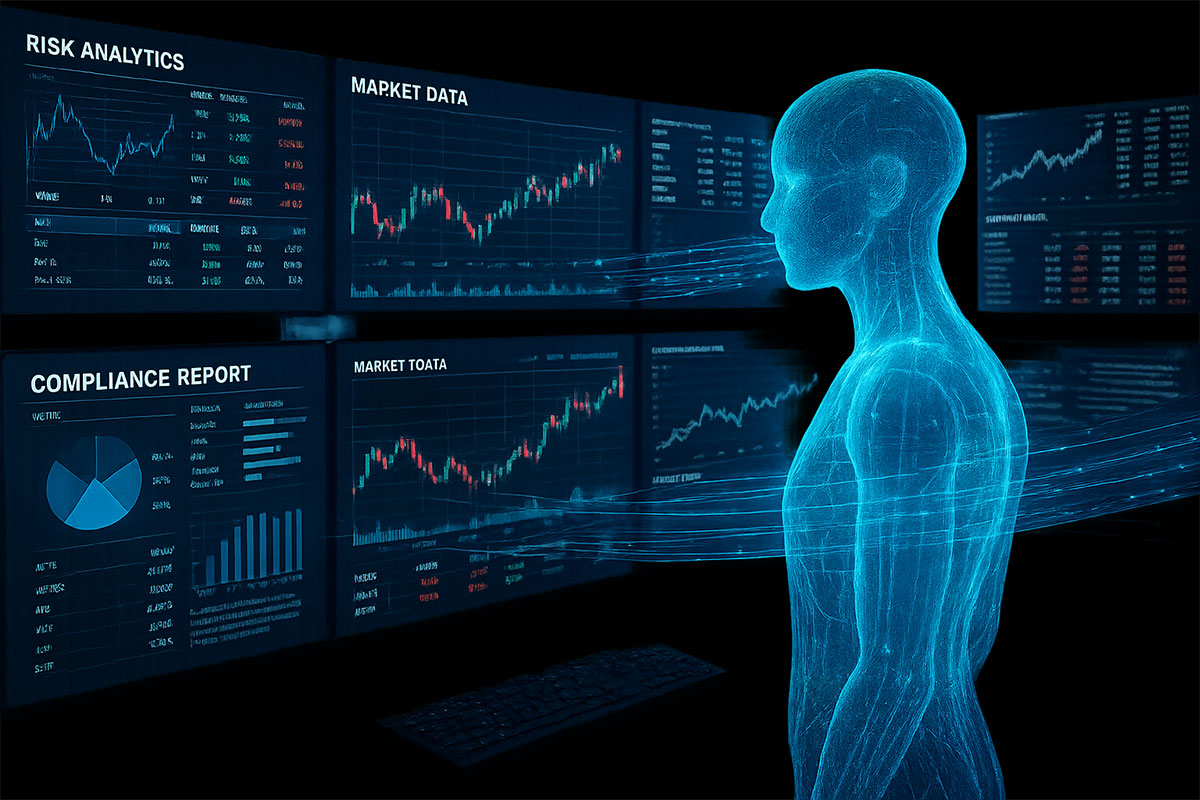
Stock markets move at incredible speed. Every microsecond matters. In 2025, AI systems are making trading decisions, analyzing markets, and predicting price movements with capability humans could never match. This transformation is reshaping how people invest, trade, and think about financial markets.
This guide explains how AI is changing stock trading, what impact it's having, and what it means for individual investors and institutions.
The AI Transformation in Trading
From Manual to Algorithmic
2015: Traders watched charts, placed orders manually 2025: AI systems analyze thousands of data points simultaneously, identify patterns, and execute trades in milliseconds
This isn't incremental improvement—it's a fundamental shift in how financial markets operate.
What AI Does in Modern Trading
1. Market Analysis at Scale
AI systems analyze:
- Price history (years of data instantly)
- Volume patterns (unusual activity detection)
- News sentiment (automated analysis of thousands of news items)
- Social media signals (what investors are saying)
- Correlations (which assets move together)
- Macroeconomic indicators (interest rates, GDP, employment)
A human trader analyzing one chart. An AI system analyzing 10,000 simultaneously.
2. Predictive Analytics
Machine learning models predict price movements:
- Short-term predictions (next hour/day)
- Medium-term predictions (next week/month)
- Long-term trends (fundamental value)
- Volatility forecasting
- Crash detection
Accuracy: Modern ML models achieve 55-65% accuracy on price direction (better than 50% random, compounds to significant returns)
3. Risk Management
AI systems identify risk automatically:
- Portfolio concentration
- Correlated positions
- Liquidity risks
- Black swan events
- Hedging recommendations
4. Automated Execution
AI doesn't just recommend trades—it executes them:
- Optimal execution algorithms (minimize slippage)
- High-frequency trading (thousands of trades/second)
- Portfolio rebalancing (automatic)
- Tax-loss harvesting (automated)
- Stop-loss orders (intelligent triggers)
5. Sentiment Analysis
AI reads and analyzes human sentiment:
- News sentiment (positive/negative/neutral)
- CEO commentary tone
- Social media sentiment
- Earnings call language
- Market psychology indicators
Real-World Impact: How Trading Has Changed
Speed
Trades that took humans minutes now happen in microseconds. This benefits:
- Systematic traders (using algorithms)
- Institutions with technology budgets
- Quant hedge funds
- Retail traders with robo-advisors
Democratization
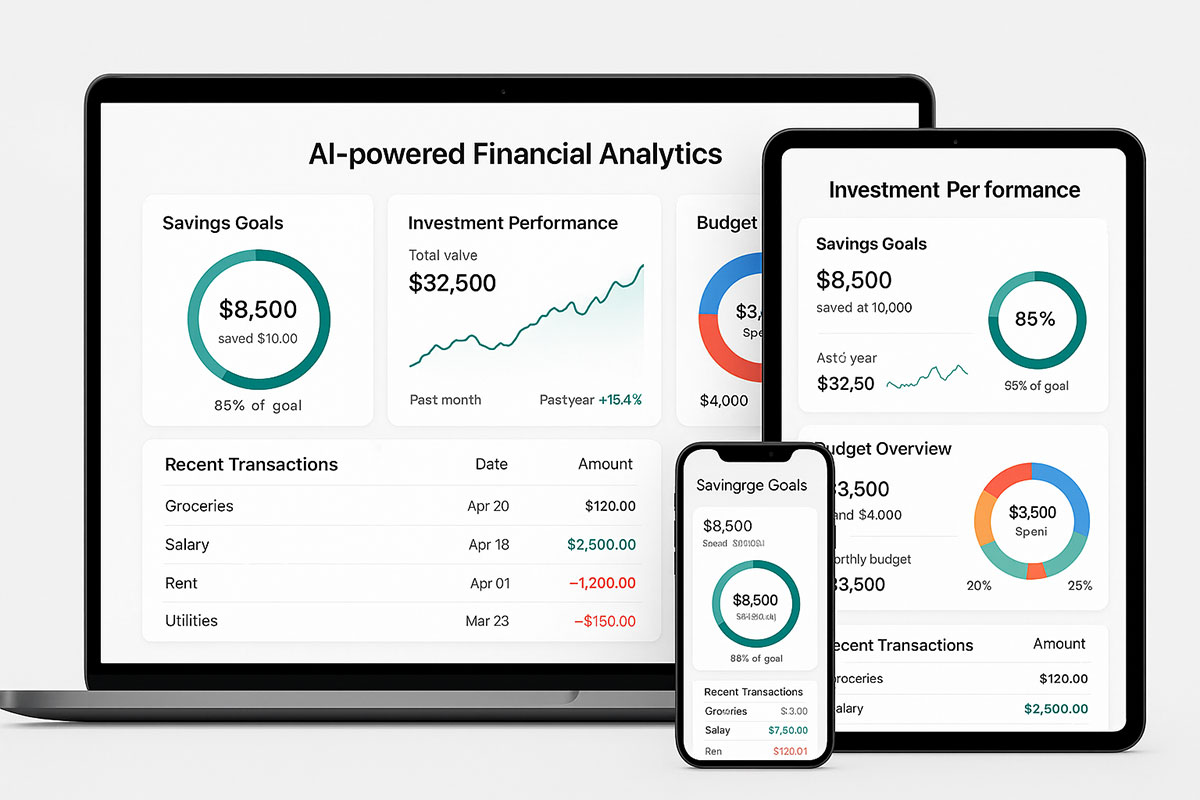
AI-powered tools that were exclusive to Wall Street are now available to retail investors:
- Robo-advisors (Betterment, Wealthfront)
- Algorithmic trading platforms
- AI stock picking services
- Automated portfolio management
Market Efficiency
AI makes markets more efficient by:
- Eliminating obvious arbitrage opportunities
- Incorporating information faster
- Reducing pricing inefficiencies
- Making human edge harder to find
Volatility
AI trading can increase short-term volatility:
- Flash crashes (rapid sell-offs followed by recovery)
- Herd behavior (similar AI trading decisions)
- Cascade effects (algorithms triggering other algorithms)
- Liquidity challenges in crises
AI Trading Strategies in 2025
Mean Reversion
Stocks that deviate from average tend to revert. AI identifies these opportunities.
- Performance: 8-12% annual returns historically
- Risk: Can fail during structural market changes
Momentum Trading
Stocks that have been going up tend to continue going up (short-term). AI rides these waves.
- Performance: 12-15% annual returns
- Risk: Whipsaw losses when trend reverses
Sentiment-Based Trading
AI analyzes news/social sentiment and trades accordingly.
- Performance: 10-14% annual returns
- Risk: Sentiment can be misleading/temporary
Arbitrage
AI finds price discrepancies across markets/securities and profits from them.
- Performance: Lower but consistent
- Risk: Very low (nearly risk-free)
Impact on Individual Investors
Good News
- AI-powered robo-advisors are cheaper than human advisors
- Automated rebalancing happens without you doing anything
- Tax optimization is automatic
- Better risk management
- More investment options available
Bad News
- Harder for individuals to beat the market
- Requires larger capital to compete
- Flash crashes can cause unexpected losses
- Less transparency in algorithm decision-making
- Systemic risks if algorithms fail simultaneously
The Regulatory Response
Regulators are watching AI trading closely:
- Algorithmic trading limits during volatile times
- Circuit breakers halting trading if moves too extreme
- Higher capital requirements for AI traders
- Transparency requirements for algorithms
- Stress testing of trading systems
What This Means for Your Investment Strategy
If You're a Buy-and-Hold Investor
Good news: You're not competing with algorithms. Investing in index funds remains solid strategy despite AI trading.
If You're an Active Trader
You're competing against AI. Consider:
- Using AI tools yourself (robo-advisors)
- Longer time horizons (AI dominates short-term)
- Focusing on fundamental analysis (finding overlooked value)
- Options strategies (complex enough to not be fully automated)
If You're Building Capital
Use AI-powered tools:
- Robo-advisors (cheaper than human advisors)
- Automated rebalancing
- Tax-loss harvesting automation
- Dollar-cost averaging (removes emotion)
Looking Ahead: AI in Finance
Expect:
- More sophisticated AI models
- Broader use of ML across financial services
- Integration of AI with cryptocurrency/blockchain
- Personalized investment strategies at scale
- Stronger regulation and oversight
Conclusion: AI as Financial Partner
AI in trading isn't science fiction—it's present reality reshaping financial markets. Whether you embrace it through robo-advisors, compete with your own algorithms, or accept that active trading is harder, understanding AI's role in finance is essential for modern investors.
The future of investing isn't human vs. machine—it's informed humans leveraging machine intelligence. Explore more on AI in finance and stay updated at TrendFlash.
About the Author
Girish Soni is the founder of TrendFlash and an independent AI strategist covering artificial intelligence policy, industry shifts, and real-world adoption trends. He writes in-depth analysis on how AI is transforming work, education, and digital society. His focus is on helping readers move beyond hype and understand the practical, long-term implications of AI technologies.