Introduction: The Rising Tide of Digital Deception
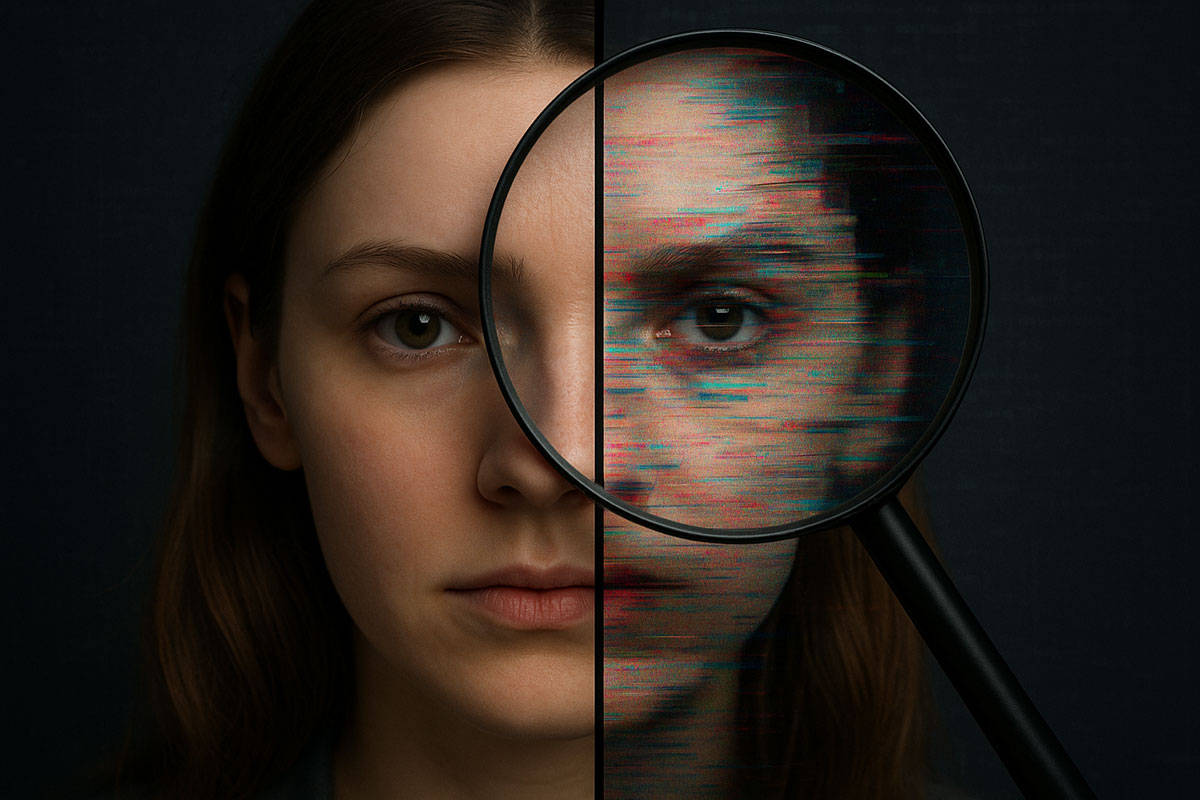
In 2025, we find ourselves in the midst of a digital authenticity crisis. Deepfake technology—AI-generated synthetic media designed to impersonate real people—has evolved from a novel curiosity to a mainstream threat. This year alone, major financial institutions and government agencies worldwide have issued unprecedented warnings about sophisticated deepfake scams targeting consumers and corporations alike. One chilling case involved a UK-based energy firm that transferred over $25 million to fraudsters after a video conference call with what appeared to be their CEO and other senior executives—all of whom were deepfake recreations.
The barrier to creating convincing deepfakes has plummeted. Where once this required supercomputers and PhD-level expertise, today, free web tools and affordable apps can generate highly persuasive fake videos, audio clips, and documents in minutes. This guide provides the essential knowledge and tools you need to detect deepfakes and protect yourself from these increasingly sophisticated AI-generated scams.
How Deepfakes Work: The AI Behind the Illusion
Understanding the technology behind deepfakes is the first step in defending against them. Most modern deepfakes are created using a type of AI called Generative Adversarial Networks (GANs). Here's how they work:
- Generator: One AI network creates fake digital content (a face, a voice, text).
- Discriminator: A second AI network tries to detect whether the content is real or fake.
- Adversarial Training: These two networks compete in a continuous loop, with the generator improving its fakes until the discriminator can no longer tell the difference.
This technological arms race has reached a point where some deepfakes are virtually indistinguishable from genuine content to the naked eye and ear. However, the technology isn't perfect, and there are consistent telltale signs that can help you identify synthetic media.
How to Spot Video Deepfakes: The Visual Red Flags
While deepfake technology continues to improve, current versions still exhibit subtle anomalies that careful observation can detect.
1. Analyze the Eyes and Eyebrows
The eyes are often called the window to the soul—and they're also a window to deepfake detection. Look for:
- Unnatural Blinking: Does the person blink too much, too little, or at irregular intervals? Many early deepfakes struggled to replicate normal blinking patterns.
- Mismatched Reflections: Check if the light reflections in the eyes are consistent with the environment. Do both eyes show the same reflection?
- Glassiness or Dead Eyes: Some deepfakes have eyes that appear unnaturally glassy, vacant, or emotionally disconnected from the speech.
2. Scrutinize the Mouth and Speech
Lip synchronization remains one of the biggest challenges for deepfake creators:
- Lip-Sync Errors: Do the mouth movements perfectly match the spoken words? Look for slight delays or mismatches between audio and video.
- Unnatural Teeth: Deepfakes often struggle with rendering teeth realistically. They may appear too uniform, oddly textured, or inconsistently lit.
- Strange Mouth Shapes: Some phonemes (speech sounds) create mouth shapes that deepfakes still can't replicate accurately.
3. Check Skin Texture and Lighting
The skin is another area where deepfakes often reveal themselves:
- Too Perfect Skin: Does the skin appear unusually smooth, airbrushed, or lacking in pores, wrinkles, or blemishes?
- Inconsistent Lighting: Check if the lighting on the face matches the lighting in the background. Are shadows falling in the correct directions?
- Flickering or Morphing: Look for subtle flickering around the edges of the face, hairline, or jewelry, especially when the head moves.
4. Observe Hair and Accessories
Fine details like individual strands of hair or intricate accessories often trip up deepfake algorithms:
- Indistinct Hair Strands: Does the hair look like a solid mass rather than consisting of individual strands?
- Earrings That Don't Move: Do earrings move naturally with head movements, or do they appear strangely static or distorted?
- Blurred Hairlines: Check the transition between the face and hairline for blurring or unnatural blending.
How to Detect Audio Deepfakes: Listening for the Artificial
Audio-only deepfakes (voice cloning) are particularly dangerous because they're easier to create and can be deployed in phone calls or voice messages.
- Robotic Tones: Does the voice have subtle robotic, metallic, or synthetic qualities, especially in the higher frequencies?
- Unnatural Pauses: Listen for awkward pauses, unusual pacing, or inconsistent speech rhythm.
- Background Noise Inconsistencies: Does the background noise remain consistent, or does it suddenly change in ways that don't match the recording environment?
- Lack of Mouth Sounds: Human speech includes subtle mouth sounds (tongue clicks, light lip smacks) that deepfakes often omit.
- Emotional Incongruity: Does the emotional tone of the voice match the content of the speech in a believable way?
5 Free Tools to Verify Authenticity
While human observation is valuable, several free tools can help you analyze suspicious content more technically:
1. Google's AssemblyAI
While primarily a developer tool, AssemblyAI offers a free tier that includes audio analysis capabilities that can help detect synthetic speech patterns and anomalies.
2. Microsoft Video Authenticator
This tool analyzes photos and videos to provide a confidence score about whether the media has been artificially manipulated. It looks for subtle elements the human eye can't detect, such as blending boundaries and grayscale inconsistencies.
3. Intel's FakeCatcher
This technology detects deepfakes in real-time by analyzing blood flow in video pixels. Genuine videos capture subtle changes in skin color caused by blood circulation—patterns that deepfakes cannot accurately replicate.
4. AMSL Deepfake Detection Framework
The Audio and Multimedia Security Lab offers research frameworks that can be used to analyze media files for signs of manipulation, focusing on both visual and audio deepfakes.
5. InVID Verification Plugin
This browser extension helps verify images and videos found online through various forensic analysis techniques, including metadata examination, reverse image search, and error level analysis.
Real Deepfake Scam Case Studies
Understanding how deepfake scams unfold in the real world prepares you to recognize them:
Case Study 1: The Fake CEO Video Call
In early 2025, a multinational corporation's finance department received an urgent request to transfer funds to a new vendor account. The request came during a video call with what appeared to be the CEO and CFO. The deepfakes were nearly flawless, but an alert employee noticed that the CEO's distinctive mole was missing from his cheek. This single observation led to further scrutiny, exposing the scam and preventing a $15 million loss.
Case Study 2: The Grandparent Emergency Scam 2.0
This classic scam has received a high-tech upgrade. Instead of a generic voice claiming to be a grandchild in trouble, scammers now use voice clones. One family nearly sent $9,000 after receiving a call from what sounded exactly like their daughter crying and claiming she'd been in a car accident. The giveaway was that the voice never used the family's unique nickname for the daughter, which a genuine call would have included.
Case Study 3: The Fake News Broadcast
During a volatile political period, a deepfake video of a well-known news anchor announcing market-moving economic data began circulating on social media. The video was convincing enough to cause brief but significant stock market fluctuations. Analysis later revealed that the anchor's tie pattern underwent subtle, impossible shifts throughout the video—a common deepfake artifact.
Protection Strategies: Building Your Digital Defense
Beyond detection, proactive protection is essential in the deepfake era:
- Establish Verification Protocols: For sensitive communications (especially financial requests), establish a separate verification channel. A simple text message or secondary phone call to confirm unusual requests can prevent disaster.
- Limit Your Digital Footprint: The less high-quality audio and video of you exists online, the harder it is for scammers to create convincing deepfakes. Review your social media privacy settings and be mindful of what you share publicly.
- Educate Vulnerable Contacts: Ensure that elderly relatives, who are often targets of voice cloning scams, know about this technology and understand your verification protocols.
- Use Multi-Factor Authentication: While MFA doesn't prevent deepfakes directly, it adds another layer of security that makes overall digital compromise less likely.
- Stay Informed: Deepfake technology evolves rapidly. Follow reputable cybersecurity sources to stay current on new detection methods and emerging threats.
The Future of Deepfakes and Digital Trust
As we look beyond 2025, the deepfake landscape presents both challenges and potential solutions:
- Detection Arms Race: As deepfake technology improves, detection methods will also advance, likely incorporating blockchain-based verification and embedded digital watermarks.
- Legislative Responses: Governments worldwide are racing to create legislation specifically targeting malicious deepfake creation and distribution.
- Industry Standards: Technology companies are developing standards for certifying authentic media, similar to the "blue check" verification on social platforms but for content authenticity.
The fundamental challenge remains: in a world where seeing is no longer believing, we must cultivate healthy skepticism while embracing verification technologies that can restore digital trust.
Conclusion: Vigilance in the Age of Digital Doubt
Deepfake technology represents one of the most significant challenges to digital trust we've ever faced. As these AI-generated forgeries become increasingly sophisticated, our ability to detect them must evolve equally quickly. By understanding the telltale signs of deepfakes, utilizing free verification tools, and implementing sensible protection strategies, you can significantly reduce your vulnerability to these advanced scams.
Remember that in 2025, digital literacy means more than just knowing how to use technology—it means understanding how that technology can be used to deceive you. Stay curious, stay skeptical, and verify before you trust.
Related Reading
- The AI Election Crisis: How Deepfakes Are Threatening Democracy in 2025
- AI-Powered Fraud Detection in US Banking 2025: Protecting Consumers & Institutions
- AI Hallucinations Are Getting More Dangerous: How to Spot and Stop Them in 2025
- The Beginner's Guide to AI Ethics: Why Responsible AI Matters in 2025
- Digital Borders: How AI is Redefining Privacy and Security in 2025
About the Author
Girish Soni is the founder of TrendFlash and an independent AI strategist covering artificial intelligence policy, industry shifts, and real-world adoption trends. He writes in-depth analysis on how AI is transforming work, education, and digital society. His focus is on helping readers move beyond hype and understand the practical, long-term implications of AI technologies.