Introduction: Work Is Changing Fundamentally
The future of work isn't coming. It's already here. AI is reshaping employment faster than any technology in history. Remote work, automation, gig economy, AI assistance—the combination is creating a future of work that looks nothing like 2020.
This guide explores how work will change, what jobs will look like, and how to prepare.
The Transformation Happening Now
1. Remote Work as Default (Not Exception)
Status 2025: 35% of knowledge workers fully remote
- Trend: Continuing to increase
- By 2030: 50%+ remote or hybrid
- Impact: Geographic arbitrage (hire talent globally)
- Benefit: Better work-life balance (for some)
2. AI as Daily Coworker
Current Reality: AI tools in 40% of offices
- ChatGPT, Claude, Copilot becoming standard
- AI handling 30-50% of routine tasks
- Humans focusing on higher-value work
- Productivity increasing 20-40%
3. Gig & Project-Based Work Expanding
Current Trend: 36% of workforce in gig economy
- Companies hiring for projects, not permanent roles
- Workers stacking multiple gigs
- Flexibility vs. security tradeoff
- New skills: Managing multiple clients/projects
4. Continuous Learning Becoming Mandatory
Reality: Skills half-life shrinking
- Technical skills: 3-5 year relevance window
- New skills emerging faster than before
- Continuous upskilling required
- Learning becomes 10-20% of job time
5. Human-AI Collaboration Standard
The New Normal:
- Jobs designed around AI + Human strengths
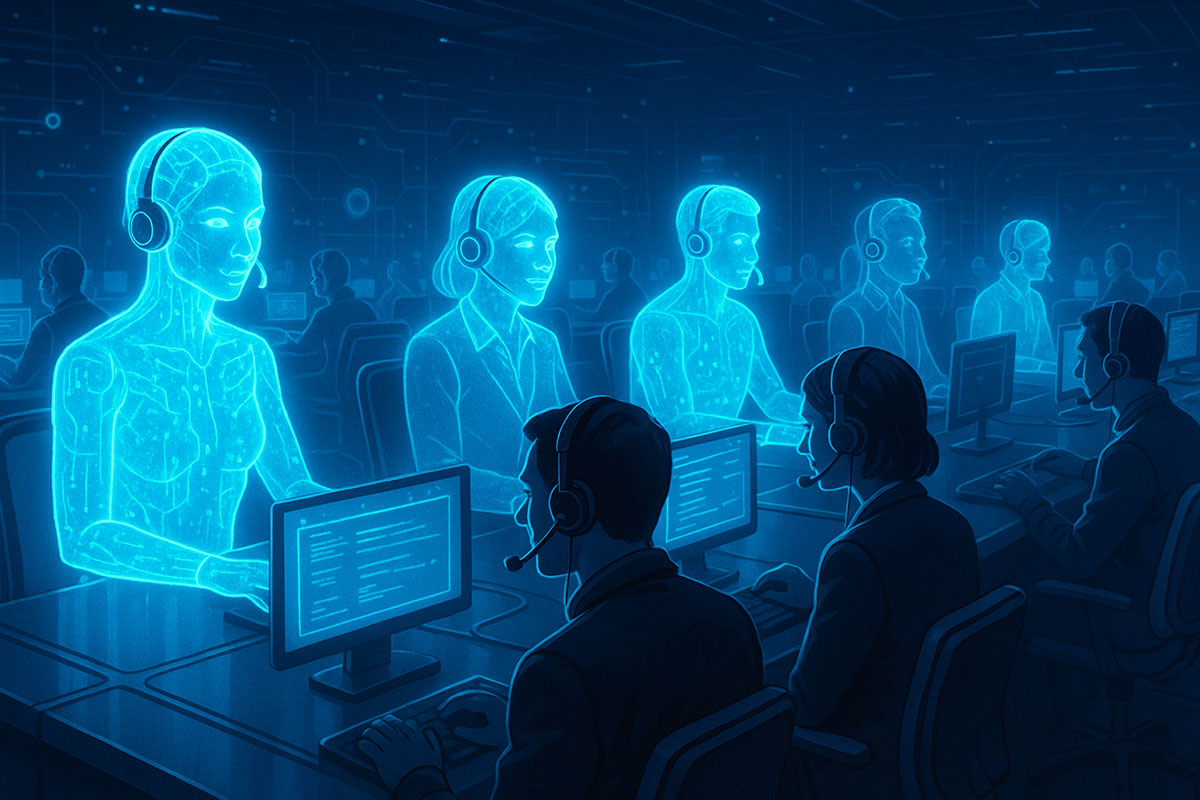
- AI handles volume, speed, consistency
- Humans handle judgment, creativity, relationships
- Most effective teams are hybrid
What Jobs Will Look Like in 2030
A Day in 2030 Knowledge Work
9:00 AM: Check AI-drafted emails, edit tone, send personalized versions
9:30 AM: Review AI-generated report, add strategic insights and recommendations
10:00 AM: Collaborate with AI on complex problem (back-and-forth iteration)
10:30 AM: Team meeting (AI taking notes, summarizing for later)
11:00 AM: Creative work (AI can't do, only you can)
12:00 PM: Lunch break
1:00 PM: Learning time (new skills training)
2:00 PM: Client meetings (humans only)
4:00 PM: Strategic planning (thinking about 2031)
The Workplace Structure Changes
Organizational Flattening
Before: CEO → VP → Manager → Specialist → Entry-level
After: CEO → Team leads → Specialists (AI handling coordination)
Impact: Fewer management roles, more specialist roles
Speed of Decision-Making
Before: Decisions take weeks (meetings, approvals)
After: Decisions take hours (AI provides data, humans decide)
Impact: Organizations move faster, adapt quicker
Work-Life Boundaries
Before: Clear 9-5 schedule
After: Flexible schedules, always-on connectivity
Impact: More flexibility, but boundary management harder
The Skills That Will Pay (2030)
Tier 1: $150K+ (Strategic Skills)
- Strategic thinking
- Leadership at scale
- Innovation direction
- Customer relationship management
Tier 2: $100-150K (AI + Human Skills)
- Domain expertise + AI proficiency
- Complex problem-solving
- Team collaboration
- Project leadership
Tier 3: $60-100K (Execution Skills)
- AI tool proficiency
- Specialized knowledge
- Quality work output
- Reliability
Bottom Tier (Risk Zone): $30-60K - Routine work (increasingly automated)
The Organizational Benefits
Productivity Gains
- 30-50% more output per worker
- Cost per unit drops significantly
- Quality increases (fewer errors)
Speed & Agility
- Time to market reduces 30-40%
- Product iterations faster
- Customer response time quicker
Employee Satisfaction
Positive: Less tedious work, more meaningful tasks
Negative: Job insecurity, constant change stress
The Challenges Emerging
Challenge 1: Burnout from Continuous Connectivity
Always-on work means boundaries blur. Burnout risk increases without deliberate management.
Challenge 2: Inequality Widening
Strategic thinkers earning 5x more than execution workers (and job security higher).
Challenge 3: Skills Obsoletion Anxiety
Constant learning required just to stay relevant. Psychological stress increases.
Challenge 4: Human Connection Loss
Remote work + asynchronous communication means less serendipitous connection.
Challenge 5: Overwork Culture
Productivity expectations rising faster than human capacity. Unsustainable.
How to Prepare for 2030 Workplace
Skill Building
- Learn AI tools deeply (your work domain)
- Develop strategic thinking skills
- Build relationship/leadership skills
- Stay domain expert in your field
Career Strategy
- Move toward strategy, away from execution
- Build irreplaceability through unique combination of skills
- Invest in relationships (network)
- Consider multiple income streams (reduce single-employer dependence)
Personal Resilience
- Set boundaries on work time
- Invest in stress management
- Build financial cushion (6-12 months expenses)
- Develop adaptability mindset
Conclusion: The Future Is Being Built Today
The future of work is both exciting and uncertain. More flexibility and interesting work, but also more pressure and change. The winners will be those who embrace learning, build unique skills, and stay human in an increasingly AI world.
Explore more on AI jobs and skills at TrendFlash.
About the Author
Girish Soni is the founder of TrendFlash and an independent AI strategist covering artificial intelligence policy, industry shifts, and real-world adoption trends. He writes in-depth analysis on how AI is transforming work, education, and digital society. His focus is on helping readers move beyond hype and understand the practical, long-term implications of AI technologies.