Introduction: Robots That Learn by Doing
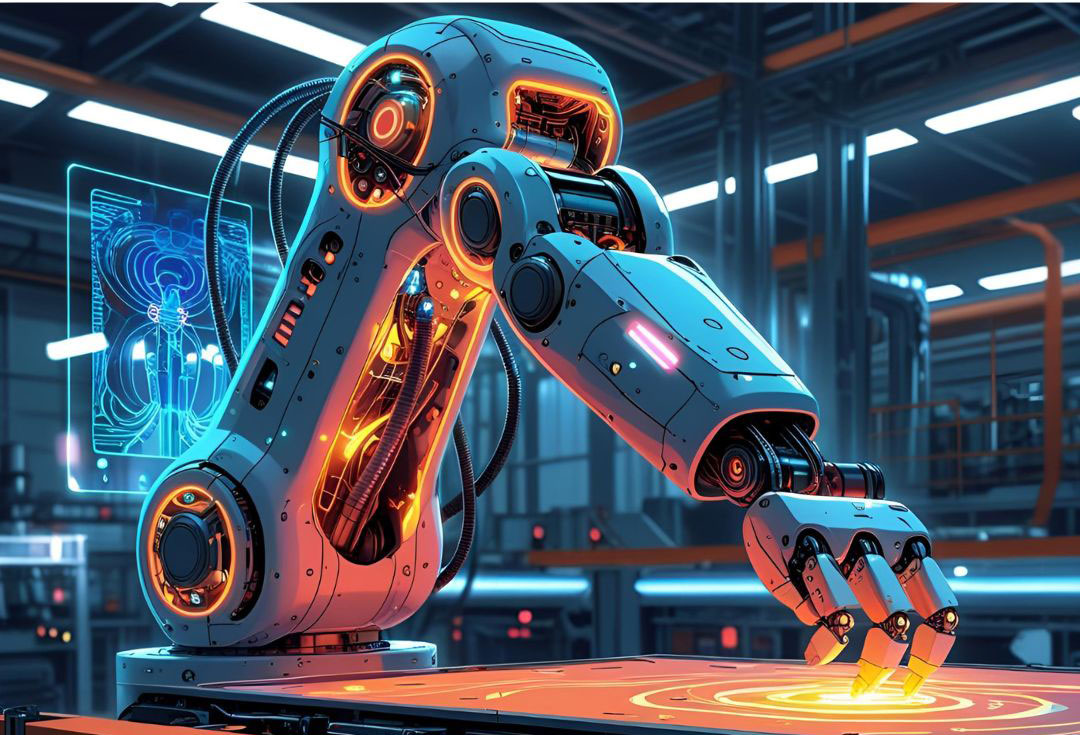
For centuries, humans built machines that followed explicit instructions. Pour concrete at 45-degree angle. Move arm to coordinates (X,Y,Z). The 21st century is different. In 2025, reinforcement learning (RL) enables robots to learn optimal behaviors through interaction with environments, discovering solutions humans never explicitly programmed.
This transformation has profound implications. From warehouse automation to surgical assistants, from autonomous vehicles to robotic manufacturing, RL is making machines genuinely intelligent rather than merely automated. Understanding how robots use AI and computer vision to understand and interact with the world is essential for anyone working in technology, manufacturing, logistics, or autonomous systems.
Why Reinforcement Learning Fits Robotics Perfectly
The Fundamental Challenge
Real-world robotics presents problems that traditional programming struggles with. Robots face:
- Uncertainty: Sensor noise, environmental variation, unpredictable object properties
- Complexity: High-dimensional action spaces and continuous control
- Adaptation: Changing environments and wear on mechanical components over time
- Variability: Individual robots differ slightly due to manufacturing tolerances
Hand-coding rules for every scenario becomes impossible. RL offers an alternative: let robots learn through trial and error, with reward signals guiding learning toward desirable behaviors.
How RL Solves This
Rather than learning from labeled examples (supervised learning) or finding patterns in data (unsupervised learning), reinforcement learning learns through interaction. A robot explores actions, receives rewards or penalties, and gradually discovers policies (rules for action selection) that maximize cumulative rewards.
This mirrors how humans learn. A child learns to walk not through watching videos, but through repeated attempts, falls, and successes. The child's reward signal is intrinsic (joy of accomplishment, desire to reach destinations), but the learning mechanism is identical.
Conclusion: Robots as Learners
Reinforcement learning transforms robotics from programming explicit behaviors to enabling genuine learning. Robots equipped with RL can adapt to novel situations, improve through experience, and handle complexity that would require millions of lines of code in traditional approaches.
The robots of 2025 that succeed will be those that learn. The organizations that lead will be those that master combining RL, computer vision, and domain expertise into integrated autonomous systems.
The age of hand-coded robots is ending. The age of learning robots has begun. Understanding RL isn't optional for robotics professionals—it's foundational.
Explore more on RL for robotics, autonomous systems, and the future of intelligent machines.
About the Author
Girish Soni is the founder of TrendFlash and an independent AI strategist covering artificial intelligence policy, industry shifts, and real-world adoption trends. He writes in-depth analysis on how AI is transforming work, education, and digital society. His focus is on helping readers move beyond hype and understand the practical, long-term implications of AI technologies.