Introduction: The Cognitive Crossroads
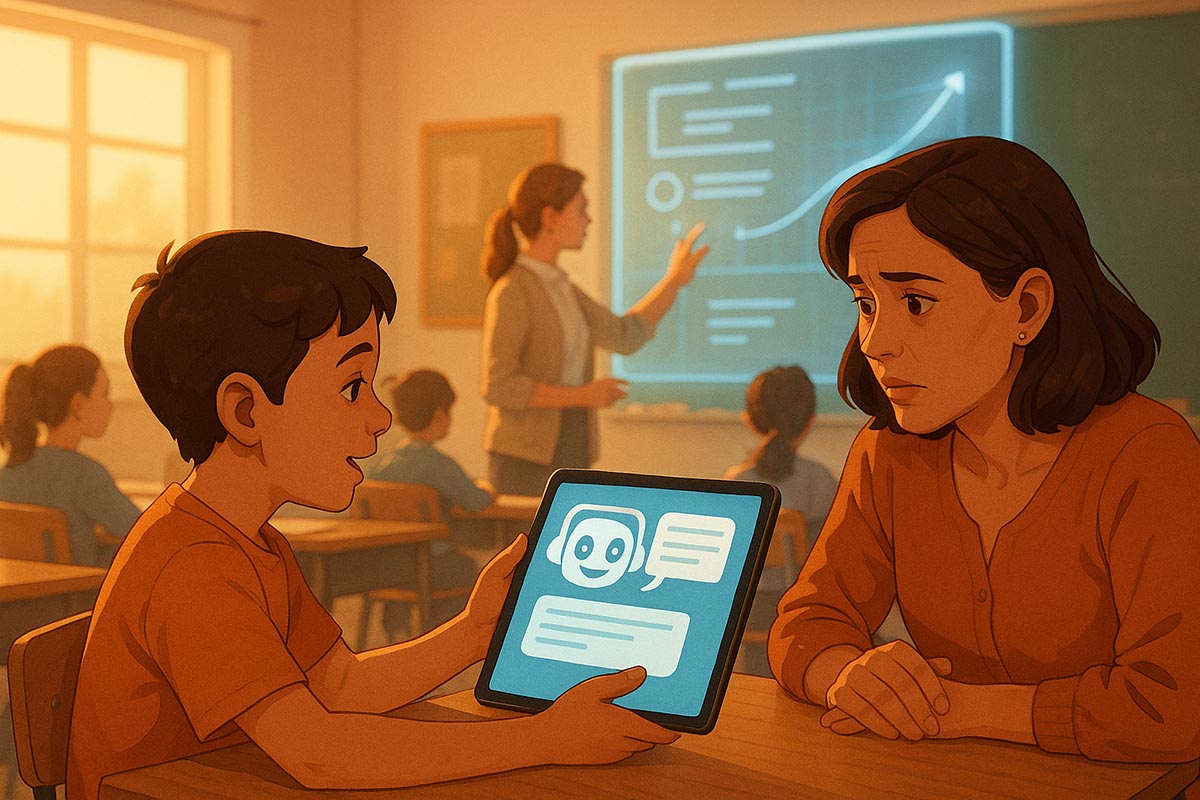
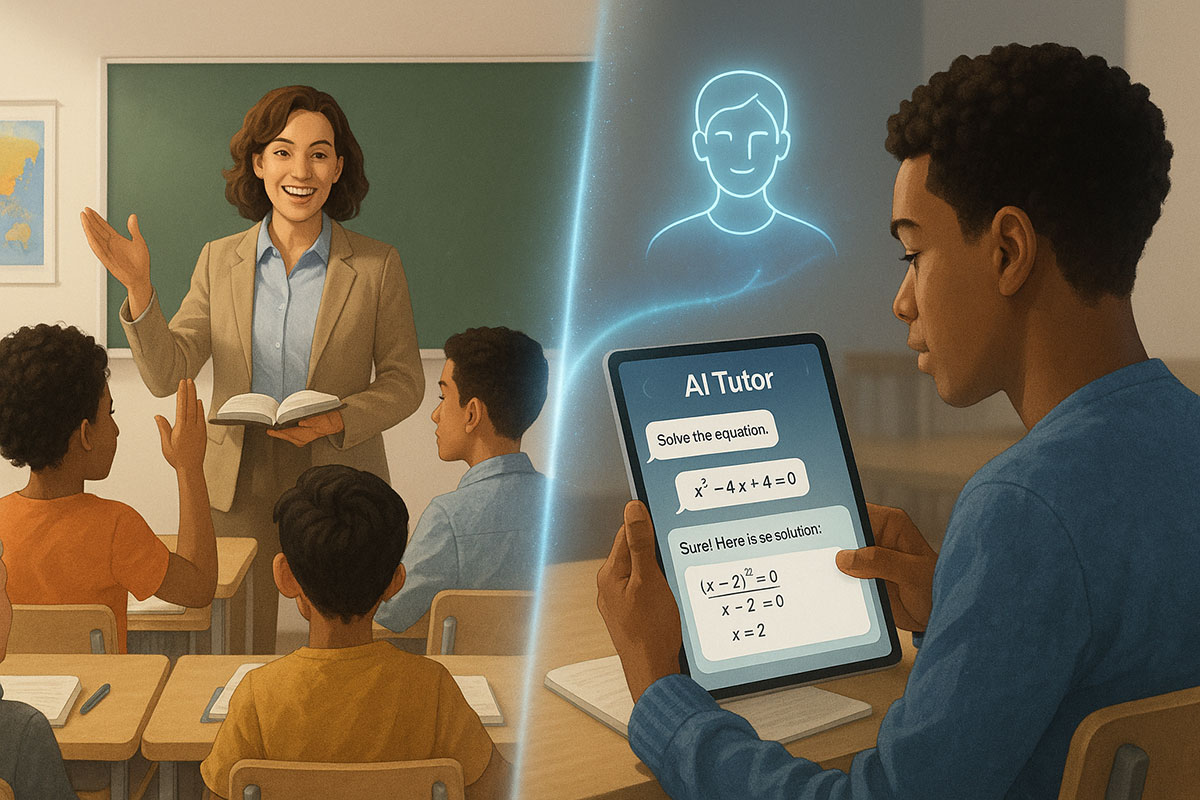
Universities globally stand at a cognitive crossroads in 2025. As institutions from community colleges to Ivy League universities race to integrate artificial intelligence into every facet of education, a fundamental question emerges with increasing urgency: Will these technologies genuinely enhance student intelligence and capabilities, or will they gradually erode the critical thinking skills that form the foundation of higher education? The pace of adoption has accelerated dramatically, with studies revealing that ChatGPT can perform at or beyond the level of medical students and even practicing physicians on certain standardized tests. This technological capability presents both unprecedented opportunities and profound challenges for educational philosophy and practice. The decisions made today will shape cognitive development for generations of learners.
The Acceleration of AI Integration in Higher Education
The adoption of AI across universities has moved from tentative experimentation to comprehensive implementation in remarkably short time. Several indicators demonstrate this rapid integration:
Curriculum Integration: Leading institutions like Harvard Medical School have built AI directly into their core curriculum, with Dean for Medical Education Bernard Chang noting that "within a few years it's going to be built into everything". This sentiment echoes across higher education, with everything from entry-level courses to advanced research incorporating AI tools.
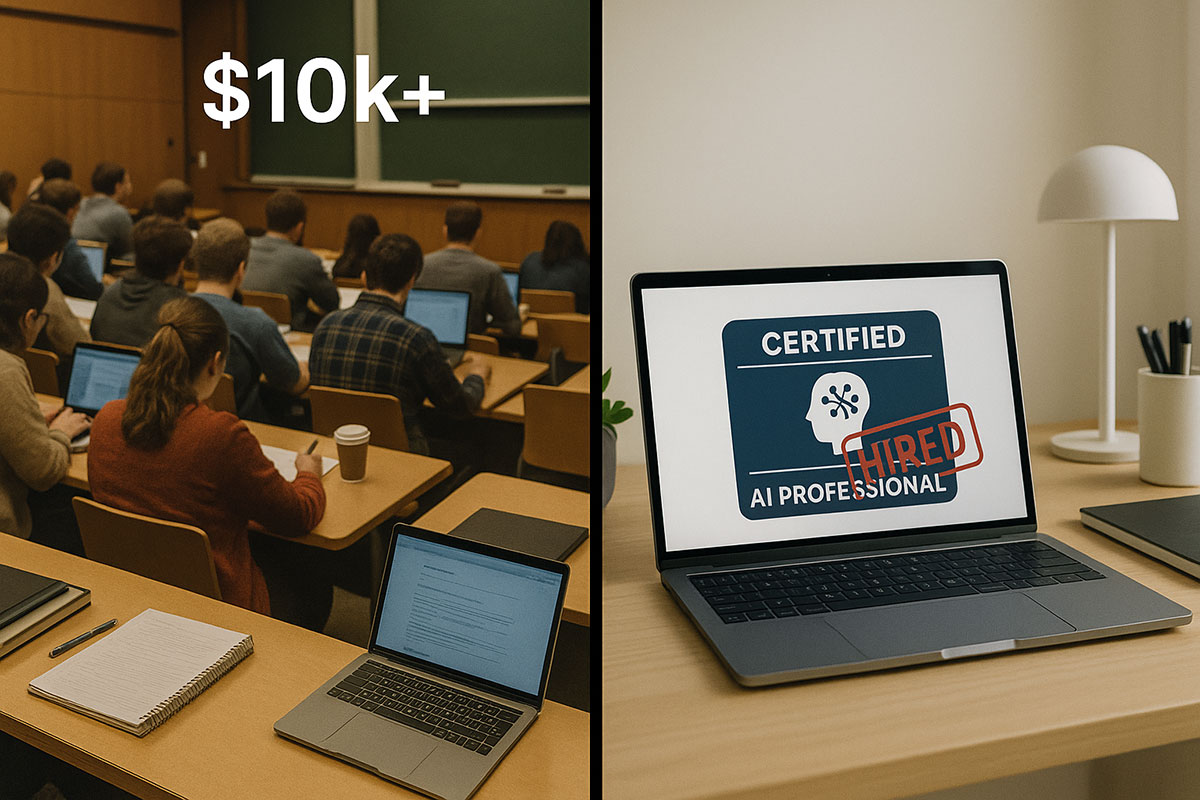
Institutional Initiatives: The Dean's Innovation Awards for the Use of Artificial Intelligence in Education, Research, and Administration at Harvard provide grants of up to $100,000 for each selected project, demonstrating significant institutional investment and commitment. Similar programs are emerging at universities worldwide.
Student Proficiency Expectations: Universities increasingly expect students to develop AI literacy alongside traditional academic skills. As Chang notes, future physicians "won't just need to be a good listener and a good medical interviewer and a good bedside doctor. They'll also need good data skills, AI skills, and machine-learning skills".
The Enhancement Argument: How AI Strengthens Learning
Proponents of comprehensive AI integration point to significant benefits that potentially enhance rather than diminish cognitive development:
Personalized Learning Pathways
AI-driven adaptive learning systems create customized educational experiences that respond to individual student needs, knowledge gaps, and learning preferences. Platforms like Knewton and Realizeit use sophisticated algorithms to analyze learner performance and dynamically adjust content delivery, potentially helping students master concepts more efficiently and deeply than standardized approaches allow.
Reduction of Cognitive Load on Routine Tasks
By automating lower-order thinking tasks like information retrieval, basic computation, and initial drafting, AI tools may free up mental resources for higher-order cognitive work. As Richard Schwartzstein of Harvard Medical School notes, AI can help track down specialized information—such as pathogens from around the world—more efficiently than manual search methods. This efficiency potentially allows students to focus on analysis, synthesis, and evaluation rather than information gathering.
Development of Augmented Intelligence
Rather than replacing human intelligence, AI systems may develop what experts call "augmented intelligence"—the enhancement of human cognitive capabilities through partnership with technology. Isaac Kohane of Harvard suggests that "AI makes different kinds of errors than the ones humans make, so it can be a good partnership". This complementary relationship potentially creates problem-solving capabilities beyond what either humans or machines could achieve independently.
The Critical Thinking Concerns: Risks to Cognitive Development
Despite the potential benefits, significant concerns exist regarding AI's impact on essential thinking skills:
The Problem-Solving Deficit
Research indicates potential erosion of problem-solving capabilities when students over-rely on AI systems. Studies from Harvard and Beth Israel Deaconess Medical Center found that while ChatGPT was accurate when making diagnoses, it made more errors than physicians in reasoning—tasks like considering why certain questions should be asked rather than just what to ask. When students bypass the struggle inherent in complex problem-solving, they may fail to develop essential reasoning capabilities.
Over-Reliance on Automated Analysis
Schwartzstein warns that students may become susceptible to overusing AI for analyzing lab data and other interpretive tasks: "Interpreting tests and working in inductive mode helps them learn critical thinking. The majority of malpractice cases arising from possible diagnostic error are not weird cases. They're basic cases that people make mistakes on—thinking errors". This suggests that bypassing fundamental analytical processes may create competence gaps with serious real-world consequences.
The "Black Box" Problem
AI systems often function as "black boxes," providing answers without transparent reasoning processes. Schwartzstein points out that "it doesn't tell you what sources it's looking at, so you can't be sure if the information comes from a journal you trust". When students cannot evaluate the reasoning behind AI-generated conclusions, they may develop uncritical acceptance of automated outputs rather than healthy skepticism and verification habits.
Finding the Balance: Guidelines for Responsible Implementation
Navigating the tension between AI augmentation and cognitive preservation requires thoughtful guidelines and guardrails:
| Implementation Principle | Application Strategy | Cognitive Benefit |
| Complementary Rather Than Replacement | Position AI as a tool that enhances rather than replaces human reasoning | Preserves core thinking skills while expanding capabilities |
| Progressive Skill Building | Ensure students master fundamental concepts before introducing AI assistance | Establishes cognitive foundation before augmentation |
| Transparency and Verification | Require documentation and verification of AI-generated content | Develops critical evaluation and validation skills |
| Metacognitive Development | Incorporate reflection on how AI use affects thinking processes | Builds awareness of human-AI cognitive partnership |
1. Establish Clear Boundaries for AI Use
Universities must develop explicit policies regarding appropriate and inappropriate AI use across different disciplines and assignment types. These boundaries should distinguish between using AI as a research assistant versus using it as a substitute for original work. As Schwartzstein emphasizes, context matters significantly—"using AI for a case like that would be great for a nurse practitioner in an under-resourced area without the backstop of a physician nearby, it would be problematic for a physician to not have that training and competence in thinking skills".
2. Focus on Process Over Product
Assessment strategies should evolve to evaluate thinking processes rather than just final products. This might include requiring students to document their problem-solving approaches, compare AI-generated solutions with their own reasoning, or explain the limitations of AI outputs for specific contexts. These methodologies encourage engagement with thinking processes rather than just accepting AI-generated answers.
3. Develop AI Literacy Across Curricula
Rather than treating AI as a separate technical skill, institutions should integrate AI literacy throughout curricula. This includes understanding AI capabilities and limitations, recognizing potential biases, developing effective prompt-crafting skills, and maintaining critical perspective on AI-generated content. As Harvard's approach demonstrates, this literacy is becoming as fundamental as traditional information literacy.
Institutional Responses and Curriculum Evolution
Forward-thinking universities are developing innovative approaches to balance AI integration with cognitive development:
Harvard Medical School's Critical Implementation
Harvard has introduced a one-month introductory course on AI in healthcare for all incoming HST students, critically examining AI limitations in clinical decision-making while grounding "students in the idea that medicine is going to be different going forward". This approach acknowledges technological transformation while emphasizing the enduring importance of human judgment.
Staged Integration Models
Some institutions implement phased approaches where students first demonstrate mastery of fundamental concepts without AI assistance before gradually incorporating AI tools for more complex applications. This ensures foundational knowledge while still preparing students for technologically advanced work environments.
Enhanced Assessment Design
Universities are rethinking assessment to make AI collaboration productive rather than problematic. This includes more authentic evaluations, process-focused assignments, and assessments that require application of knowledge to novel contexts that challenge standard AI capabilities.
The Future of Critical Thinking in an AI-Augmented World
As AI capabilities continue to advance, the nature of critical thinking itself will inevitably evolve:
New Forms of Literacy
Future educational outcomes will likely include "collaborative intelligence"—the ability to work effectively with AI systems while maintaining independent judgment. This represents a new form of literacy that combines technological understanding with strengthened human reasoning.
Evolving Cognitive Priorities
As routine cognitive tasks become increasingly automated, educational emphasis may shift toward uniquely human capabilities like conceptual innovation, complex ethical reasoning, contextual understanding, and integrative thinking across disciplines.
Lifelong Learning Imperative
The rapid evolution of AI tools will make continuous learning and cognitive adaptation increasingly essential. Universities may need to focus less on transmitting fixed knowledge and more on developing cognitive flexibility and learning agility.
Conclusion: Preserving the Core of Education
The integration of AI into higher education presents neither an inevitable dystopia of diminished thinking nor an uncomplicated utopia of enhanced capabilities. The outcome will depend on deliberate choices made by educators, institutions, and students themselves. The goal should not be resistance to technological change, but thoughtful integration that preserves and enhances essential human cognitive capabilities while leveraging AI's powerful capacities.
As we navigate this transition, Schwartzstein's caution remains pertinent: "We need to put it in the context of real-world bedside medicine and how you work as a physician by emphasizing reasoning and critical thinking. What does the bedside clinician use it for well? What does the clinician have to be wary of? What does the clinician still need to be good at to use AI appropriately?". This balanced perspective—acknowledging both potential and limitations—may represent the wisest path forward for universities embracing AI while preserving their fundamental educational mission.
The most successful institutions will be those that develop intentional, evidence-based approaches to AI integration—ones that enhance student capabilities without diminishing the critical thinking skills that remain essential for personal, professional, and civic life in an increasingly complex world.
Related Reading