Introduction: Beyond Pattern Recognition to Actual Reasoning
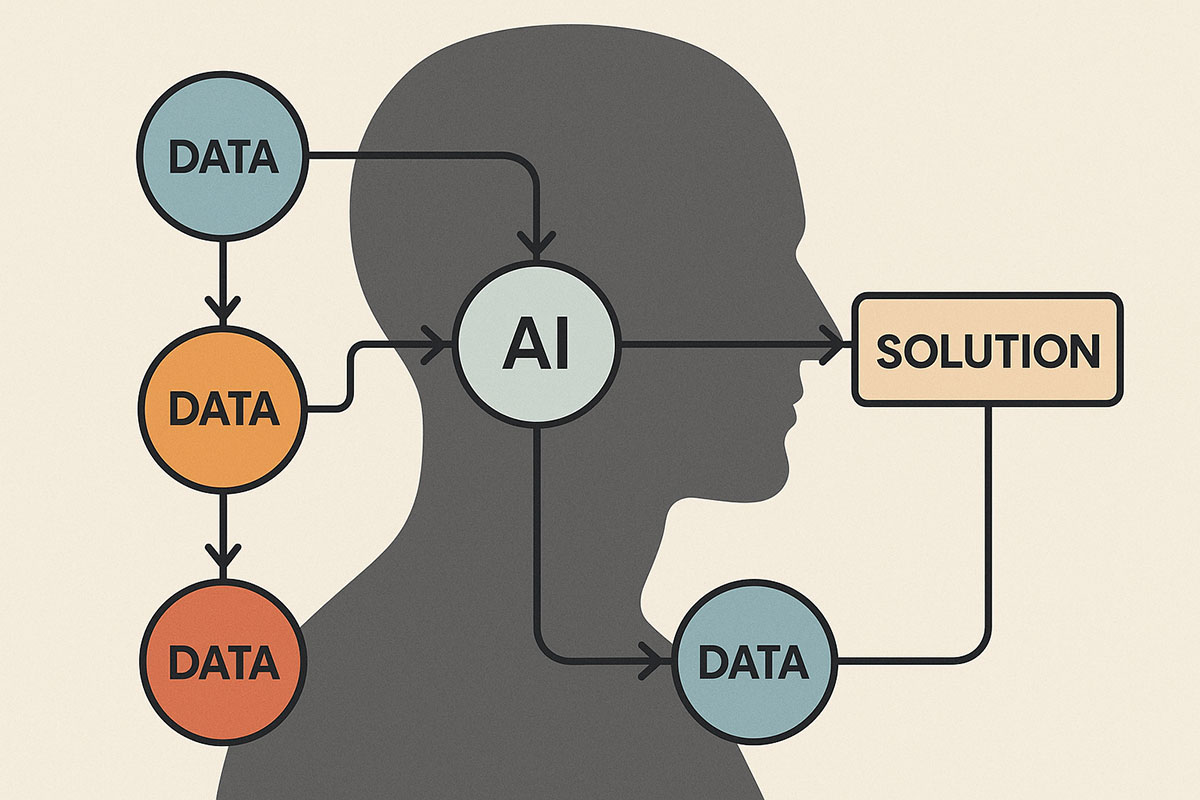
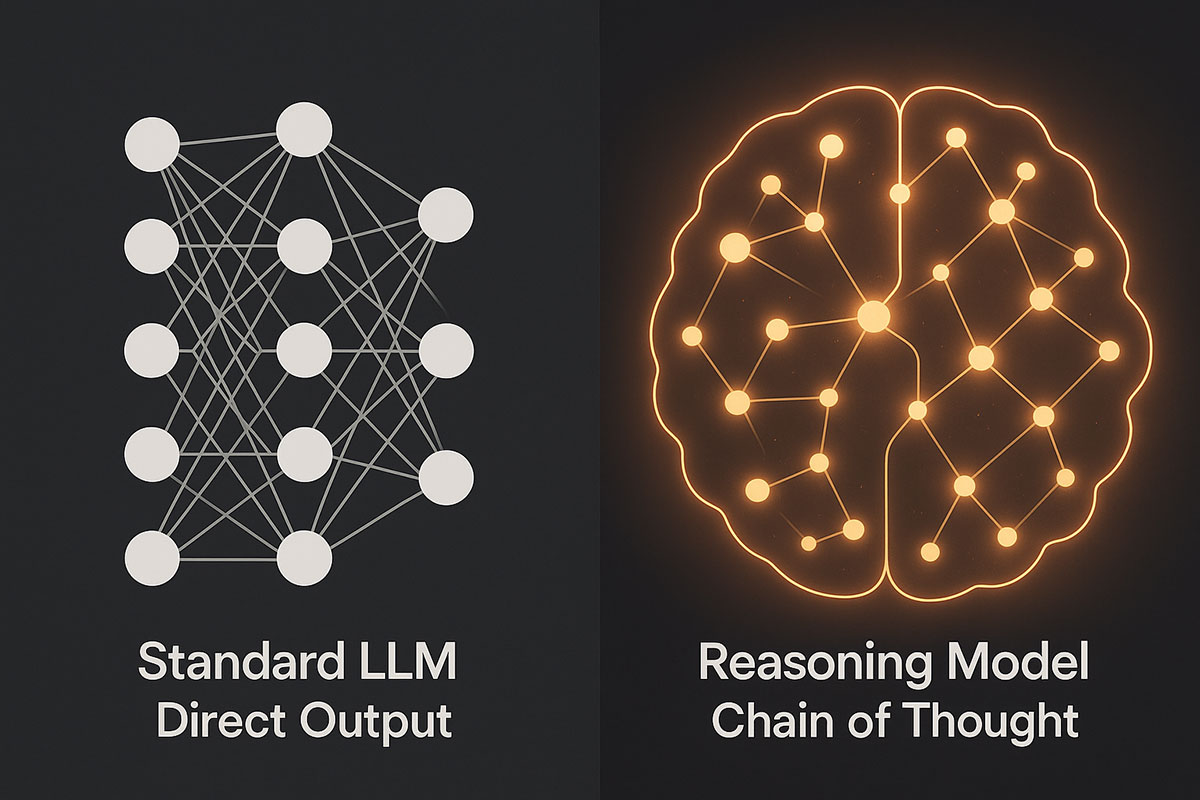
The most significant AI advancement in 2025 isn't faster processing or larger datasets—it's the emergence of genuine reasoning capabilities. Models with advanced reasoning, like OpenAI's o1, can now solve complex problems using logical steps that resemble human thinking before responding to difficult questions. This represents a fundamental shift from statistical pattern matching to actual logical deduction.
How AI Reasoning Differs from Traditional AI
Traditional AI excels at identifying patterns in data it has seen before, but reasoning AI can tackle novel problems by applying logic. The key differences include:
- Step-by-Step Logic: Breaking down problems into logical sequences rather than pattern matching
- Causal Understanding: Grasping cause-effect relationships rather than correlations
- Transfer Learning: Applying knowledge from one domain to solve problems in another
- Explainable Decisions: Providing transparent reasoning trails for their conclusions
Real-World Applications of AI Reasoning
This technology is already delivering value across multiple sectors where complex problem-solving is required:
Scientific Research and Drug Discovery
In healthcare, AI reasoning is accelerating breakthroughs. Microsoft's AI-driven protein simulation system, AI2BMD, helps researchers solve previously intractable biomolecular problems, potentially speeding up the development of life-saving drugs.
Business Process Optimization
Enterprises are using reasoning AI for strategic planning and optimization. These systems can analyze complex business scenarios, predict outcomes of different strategies, and recommend optimal approaches based on multiple variables.
Legal and Compliance Applications
Law firms are deploying reasoning AI to compare contracts, ensure regulatory compliance, and conduct legal research with a level of thoroughness that would be impractical manually.
The Technical Foundations of AI Reasoning
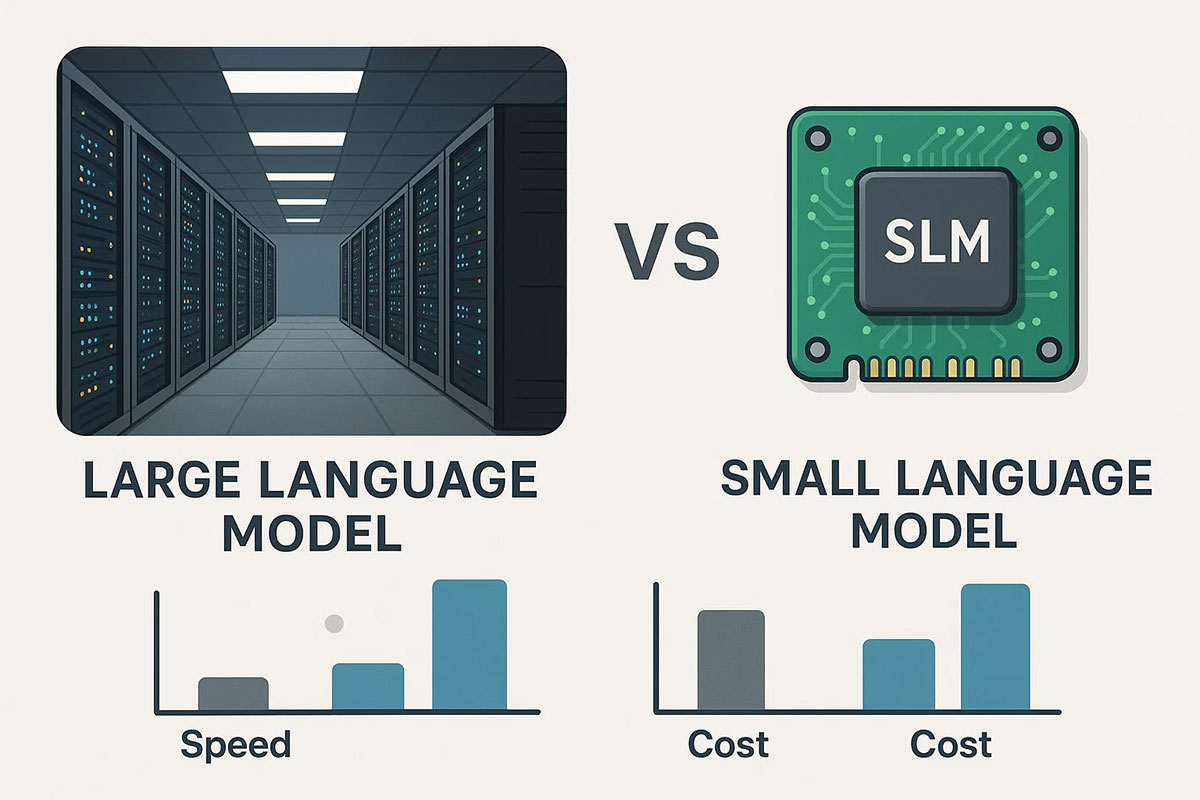
Several breakthroughs have enabled this leap in capability. Small models like Microsoft's Phi family have demonstrated that curating high-quality data significantly improves reasoning performance. Meanwhile, synthetic data techniques used in models like Orca 2 have enabled smaller systems to perform reasoning tasks previously only possible with massive models.
Challenges and Limitations
Despite impressive progress, AI reasoning still faces significant hurdles. Models continue to struggle with benchmarks like PlanBench that require complex, multi-step logical planning. They can sometimes fail to solve logic tasks even when provably correct solutions exist, limiting effectiveness in high-stakes environments where precision is critical.
The Future of AI Reasoning
As reasoning capabilities improve, we'll see AI tackling increasingly complex scientific and business problems. The focus will shift from simply generating answers to providing transparent, logical explanations for those answers—a crucial requirement for regulated industries.
Related Reading