Introduction: AI Isn't Always Welcome
In 2025, not everyone is embracing AI. There's growing backlash against AI implementation—customers rejecting products, employees resisting tools, and companies discovering that adding AI doesn't automatically mean improvement.
This guide explores the AI backlash, why it's happening, and what it means for companies deploying AI.
The Cases of AI Backlash
Case 1: Automation That Makes Customers Angry
The Problem: Companies replacing customer service humans with chatbots
Customer Experience: Can't reach real person, bot can't solve complex problem, extreme frustration
Result: Customers switching to competitors with human service
Example: Airlines that replaced phone support with chatbots faced massive complaints
Case 2: Job Losses Blamed on AI
The Problem: Companies laying off workers and crediting "AI efficiency"
Public Reaction: Negative coverage, social media backlash, reputation damage
Reality: Employees and communities view AI as threat
Business Impact: Difficulty hiring top talent (people avoid working for "AI-first" companies)
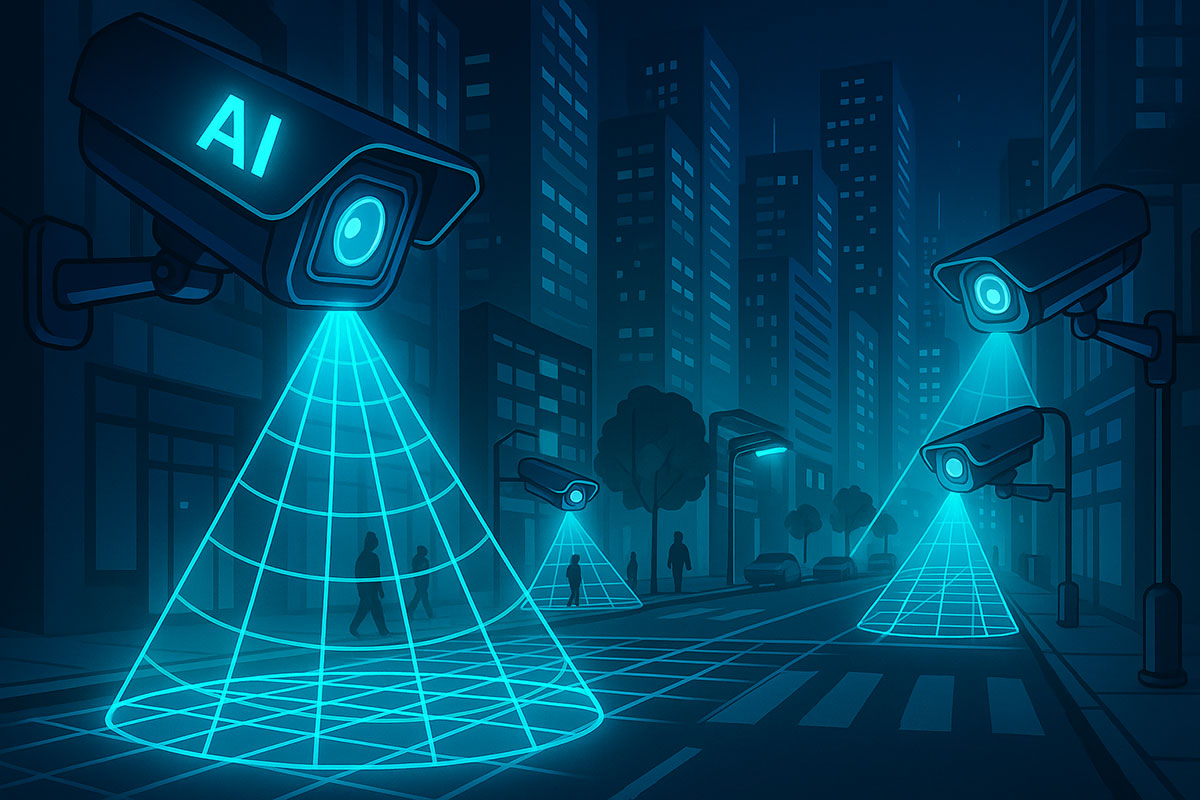
Case 3: Bias and Discrimination via AI
The Problem: AI systems discriminating against minorities
Public Reaction: Lawsuits, regulatory fines, reputation damage
Examples:
- Amazon's hiring AI penalizing women
- Facial recognition wrongly targeting minorities
- Loan algorithms denying credit to minorities
Result: Companies forced to pause/abandon AI systems
Case 4: Privacy Violations
The Problem: Companies collecting excessive personal data for AI training
Public Reaction: Opt-out campaigns, GDPR fines, reputation damage
Reality: Customers don't want their data used for AI
Case 5: Quality Degradation
The Problem: Companies using AI to replace humans, quality drops
Examples:
- News organizations using AI to write articles (readers unhappy)
- Customer service chatbots that can't help (customers frustrated)
- AI-generated customer interactions feeling impersonal
Result: Customers preferring human-made alternatives
Why the Backlash?
Reason 1: Loss of Human Connection
People value human interaction. AI replacements feel cold and impersonal.
Reason 2: Job Security Concerns
AI replacing jobs is scary, especially without support for displaced workers
Reason 3: Transparency Deficit
Companies not being honest about AI use ("We're using AI" kept quiet until problem discovered)
Reason 4: Broken Trust
Companies prioritizing efficiency over customer/employee experience
Reason 5: Privacy Concerns
People don't want their data harvested for AI training
Companies That Got It Right
Stripe's AI Approach
What they did: Used AI to enhance, not replace
- AI helps fraud detection (human review still required)
- AI provides recommendations (humans make decisions)
- Transparent about AI use
- Employees see AI as tool, not threat
Result: Positive reception, competitive advantage
Apple's Privacy-First AI
What they did: AI on-device, not cloud
- Processes on your phone (not Apple servers)
- No data collection for AI training
- Privacy-first marketing
- Transparent about capabilities and limitations
Result: Customer trust, differentiation from competitors
The Backlash Impact
For Companies
- Slower AI adoption than expected
- Reputation damage from poor implementations
- Regulatory pressure increasing
- Difficulty recruiting (people avoid companies with bad AI reputation)
For Customers
- Growing wariness of AI features
- Preference for human alternatives (even if less efficient)
- Privacy concerns increasing
- Demanding transparency about AI use
For Society
- Debate about AI's role emerging
- Regulation accelerating
- Questions about job displacement and social support
Lessons for AI Deployment
1. Transparency First
Tell customers/employees you're using AI. Most backlash from secret use.
2. Enhance, Don't Replace (First)
Use AI to improve human experience, not eliminate humans
3. Maintain Human Option
Always allow customers to reach a human if they want
4. Privacy Respecting
Don't harvest data without explicit consent
5. Test Before Launch
Make sure AI actually improves experience before deploying
6. Monitor and Adapt
Watch for customer/employee feedback and adjust quickly
The Future of AI Backlash
2025-2026: Backlash Increases
- More companies deploying poorly-thought-through AI
- More negative customer experiences
- More regulatory action
- Public skepticism growing
2027+: Maturation
- Companies learning from early mistakes
- Better AI implementations emerging
- Standards developing
- Public warming to well-done AI (backlash decreasing)
Conclusion: AI Isn't Automatically Good
The backlash is real and justified. Companies that deploy AI thoughtlessly will face customer rejection and regulation. Those that deploy AI carefully, transparently, and with human values in mind will thrive.
AI is a tool. Like all tools, it can be used well or poorly. The backlash is pushing companies toward better use.
Explore more on responsible AI at TrendFlash.