Introduction: What's Next After Large Language Models?
ChatGPT and Claude are impressive, but they're not the end of AI evolution. In 2025, the frontier is moving beyond language to multimodal AI, reasoning, embodied AI, and quantum computing. Understanding what's coming is essential.
This guide explores the next frontiers in AI technology.
The Frontier Technologies
1. Multimodal AI (Understanding Everything)
What it is: AI that understands text, images, video, audio simultaneously
Current state: GPT-4V, Claude 3 can process images + text
What's coming: Real-time video understanding, 3D understanding
Applications:
- Real-time video analysis (security, autonomous vehicles)
- 3D object understanding (robotics, manufacturing)
- Cross-media reasoning (understand connections across formats)
Timeline: Already emerging, mature by 2027
2. Reasoning and Planning AI
What it is: AI that can reason through complex problems step-by-step
Current limitation: LLMs guess next token, don't "think"
What's needed: Deliberative reasoning, planning, backtracking
Who's working on it: Google (o1 model), DeepSeek, OpenAI
Impact: Could solve harder problems (math, physics, strategy)
Timeline: Emerging 2025-2026
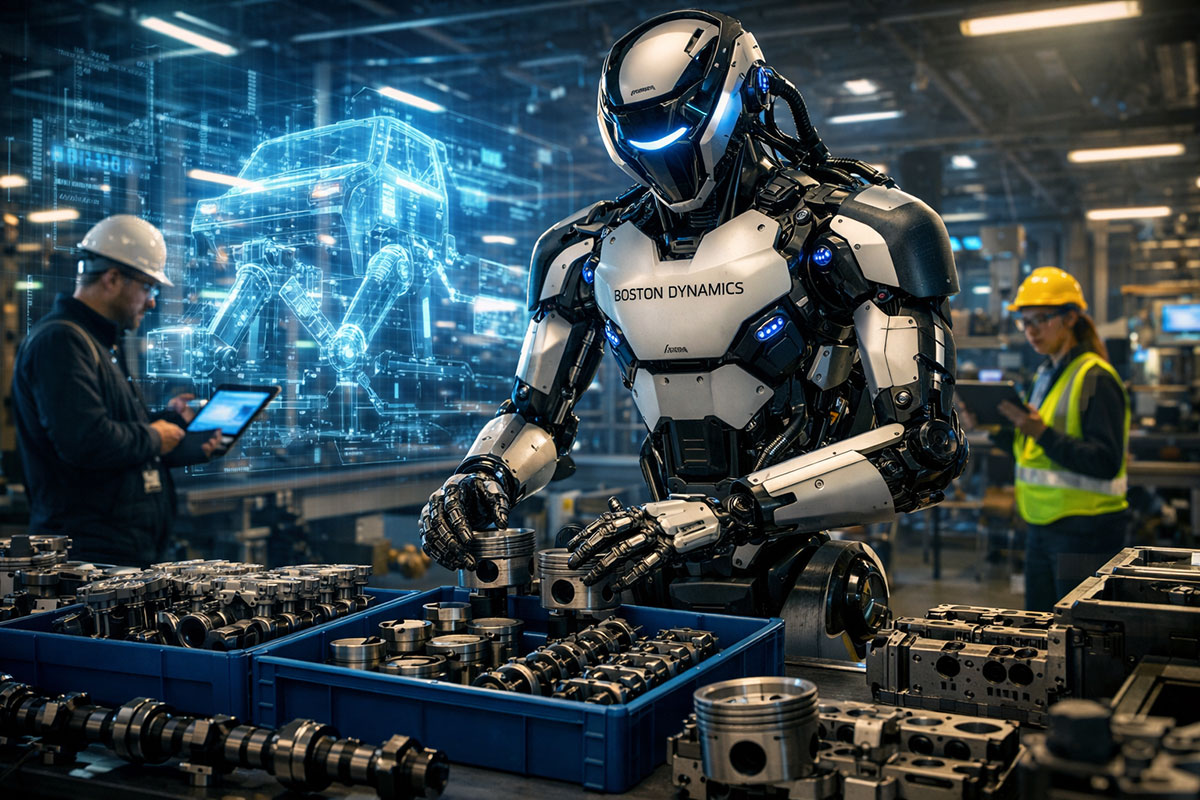
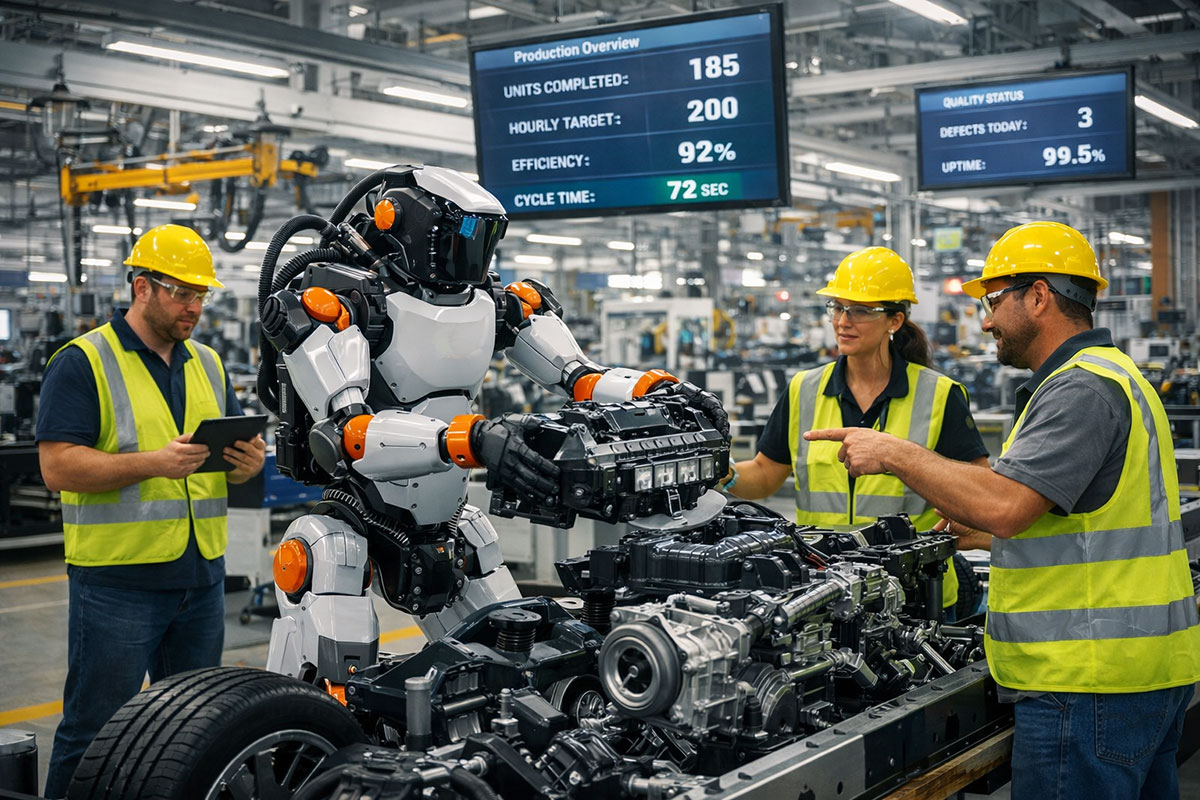
3. Embodied AI (Robots with Intelligence)
What it is: AI systems with physical bodies (robots)
Current state: Robotic arms, humanoid robots with primitive AI
What's coming: General-purpose robots with AI decision-making
Companies: Boston Dynamics, Tesla (Optimus), Figure AI
Applications:
- Manufacturing and assembly
- Logistics and warehouse
- Cleaning and maintenance
- Caregiving
Timeline: Limited deployment 2025-2026, broader 2027+
4. Neuromorphic Computing
What it is: Computing that mimics brain structure/function
Why it matters: More efficient than traditional neural networks
Current state: Research stage (Intel's Loihi chips)
Potential: 100x more efficient than current AI systems
Timeline: Research and niche applications 2025-2027
5. Quantum AI
What it is: AI enhanced by quantum computing
Why it matters: Could solve certain problems exponentially faster
Current state: Experimental (100-1000 qubit systems)
Practical applications: Drug discovery, optimization problems
Timeline: Still 5+ years away from practical use
6. Federated Learning
What it is: Training AI on distributed data without centralizing it
Why it matters: Privacy-preserving AI (data stays local)
Current state: In some enterprise use
Applications: Healthcare (privacy sensitive), edge computing
Timeline: Growing adoption 2025-2026
7. Transfer Learning & Few-Shot Learning
What it is: Learning from small datasets (not requiring massive data)
Why it matters: Makes AI applicable to niche domains
Current state: Some capabilities exist
What's coming: Much better few-shot learning
Timeline: Improving 2025-2026
Near-Term Breakthroughs (2025-2027)
Prediction 1: Reasoning AI Will Emerge
AI that can plan and reason through complex problems will be available. Not perfect, but functional.
Prediction 2: Multimodal Will Be Standard
By 2026, most AI systems will handle multiple modalities simultaneously.
Prediction 3: Robotics Will Accelerate
First humanoid robots with real capabilities will start deployment (limited).
Prediction 4: Cost Will Plummet
AI compute costs will drop 50%+ due to competition and efficiency improvements.
Prediction 5: Specialization Will Explode
Domain-specific AI models (medical, legal, financial) will proliferate.
The Limitations We Still Can't Overcome
1. Common Sense Reasoning
AI still lacks basic understanding humans have. Example: A 3-year-old knows what will happen if you drop a glass of water. AI doesn't.
2. True Transfer Learning
Humans learn to ride a bike, then use that skill for skateboarding. AI can't transfer learning across domains easily.
3. Causality Understanding
AI sees correlation. Understanding causation (why things happen) is much harder.
4. Open-ended Problems
AI excels at well-defined problems. Open-ended creative problems still require human guidance.
5. Energy Efficiency
Human brains use ~20W. Training GPT-4 used gigawatts for months. The gap is enormous.
What This Means for You
For Employees
- Learn these emerging areas (differentiate yourself)
- Robotics + AI will create new jobs
- But also eliminate some manufacturing/logistics jobs
For Entrepreneurs
- Opportunities in embodied AI, multimodal systems
- Huge capital requirements (unfriendly for bootstrappers)
- Partnerships with labs/universities matter
For Investors
- Frontier AI still high-risk, potentially high-reward
- Robotics more concrete (physical products)
- Quantum AI still too early for most
Conclusion: The Next Frontier Is Being Built Now
ChatGPT and Claude are impressive. But they're not the endpoint. The next frontier—multimodal AI, reasoning, embodied AI, quantum—is being built in labs right now. By 2027, we'll look back at ChatGPT the way we look at early internet (impressive for the time, obviously primitive in hindsight).
Explore more AI futures at TrendFlash.